All models
Model IDs, minimum tier, and monthly allowance across Go, Plus, and Pro.
Front-end commits on chat.deepseek.com add five-minute quota polling, exhausted-limit banners, and a 'Coding Plan' reference—yet DeepSeek has published no pricing, tiers, or release date.
On November 14, IT Home reported that developers inspecting the front-end code of chat.deepseek.com uncovered a full usage-quota management system pointing to a package named Coding Plan. So far, DeepSeek has not announced any subscription pricing, tiers, or launch date.
The short version: Front-end code on DeepSeek's web chat does contain quota logic and a Coding Plan label, but there is no checkout page, no price, and no release schedule. Treat it as unannounced.
According to developers cited by IT Home, recent front-end commits on chat.deepseek.com include user-facing quota messaging—such as telling users their usage quota has reached its limit and to try again once it recovers—alongside state checks.
Specifically, the code covers four behaviors:
is_exhausted flag inside a quotas array when continuing a shared conversation.Client-side code alone does not tell you what product—if any—will ship. Reports note that the commits contain no payment screen, no price, and no tier structure, and they do not specify whether the quotas apply to free users, paying users, or both.
Code shipped in a web front end can also belong to internal tests that never launch in that form.
As for community speculation that DeepSeek will debut its first consumer paid plan alongside DeepSeek V4.1 Pro, IT Home explicitly flags that as user guesswork. DeepSeek has not commented on the quota code.
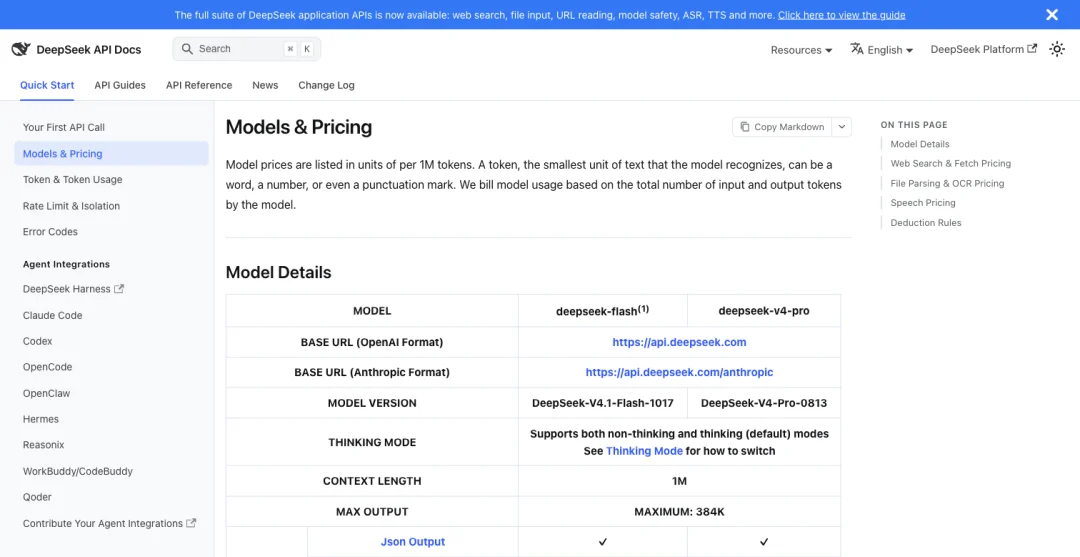
Right now, the only way DeepSeek charges individuals directly is its open platform API, which bills per token used rather than selling a flat monthly web membership.
Elsewhere in China's model ecosystem, dedicated coding subscriptions are already standard. Zhipu AI sells its GLM Coding Plan, and Alibaba Cloud and Baidu AI Cloud both offer developer coding plans. Seeing a Coding Plan label inside DeepSeek's codebase naturally led developers to group it with those offerings.
Recent org and usage numbers have fueled the speculation further. In October 2026, DeepSeek merged its Harness team with its Web, App, and Platform teams into a single product department led by former Harness head Cui Tianyi. Around the same time, industry data put DeepSeek at roughly 130 million monthly active users and over $1 billion in annualized revenue—almost all of it from the API—with no direct consumer billing yet and the only year-over-year MAU dip among the top three.
While an official Coding Plan remains unconfirmed, we think the best setup depends on which models your workflow actually needs:
DeepSeek V4.1 Flash), metered at official API prices. If your workload runs almost entirely on open-weight models and rarely touches Claude, a dedicated open-model plan gives you a larger single-model allowance; if you switch across frontier and open models, CodingPass keeps them under one bill.CodingPass Go starts at